


-

Add: HeBei ShengShi HongBang Cellulose Technology CO.,LTD.
-

Email
13180486930@163.com -

CONTACT US
+86 13180486930



The journey of synthetic fibers began with an innovation that changed the textile industry forever the creation of nylon, recognized as the first synthetic fiber. Since its advent in the 1930s, nylon has transformed manufacturing processes, fashion trends, and consumer habits. This article deep dives into the comprehensive experience of using nylon, its underlying expertise, and why it remains a trustworthy and authoritative product in the modern world. Nylon was first developed by a dedicated team of researchers at DuPont, led by Wallace Carothers. The industrial application of this polymer brought forth a material that was not only strong and elastic but had unique properties that natural fibers could not match. Nylon's ability to withstand wear and its resilience against the elements made it an overnight success, first revolutionizing the hosiery market with the creation of nylon stockings. The experience of using nylon as a product began with its adaptability. Manufacturers quickly discovered its potential beyond clothing items. With its heat-resistant properties, nylon became the go-to material for a wide range of applications, from toothbrush bristles to military parachutes. Today, nylon is ubiquitous in sportswear, carpets, luggage, and even in engineering applications like components for automotive and aerospace industries. Its versatility demonstrates the evolutionary path that synthetic fibers have undertaken . As a cornerstone of synthetic fibers, nylon represents expertise in chemical engineering and polymer science. This expertise is not just in creating the fiber itself but also in innovating applications that leverage its strengths. Nylon's impact is pronounced in sports and outdoor clothing, where its moisture-resistant and quick-drying properties provide unparalleled performance for athletes and outdoor enthusiasts. Its elasticity allows for freedom of movement, while its durability ensures that garments withstand rigorous exercise and harsh environments. Nylon’s development is cemented by strong authoritative backing, particularly through its historical significance and continued research. Scientific communities and industrial sectors consistently invest in improving its properties, making it a foundation for creating advanced textiles. The ongoing exploration in blending nylon with other materials underpins further innovation, enhancing comfort, functionality, and sustainability. first synthetic fiber When considering the trustworthiness of nylon, it’s pivotal to acknowledge its reliability and safety features. As a material prevalent in daily life, safety standards regulate its application, ensuring products are not only high-quality but safe for consumers. Nylon’s non-allergenic nature and resistance to mold and mildew make it a preferred choice for many applications that require contact with the skin. Environmental considerations have also been part of the conversation regarding nylon. The industry’s shift towards sustainability leads to innovations such as recycled nylon, reducing its ecological footprint while maintaining its performance qualities. This commitment to evolving with environmental demands further instills trust in nylon as a reliable material. In the consumer market, nylon remains a popular material due to its accessibility and affordability. Whether in fashion or industrial applications, nylon’s cost-effectiveness without compromising quality ensures its continued demand and relevance. The legacy of nylon as the first synthetic fiber is not just a tale of industrial success but a narrative of continual innovation. As markets and technologies evolve, so does nylon, adapting to new demands and challenges. Its ability to maintain a balance between performance, cost, and sustainability makes it a unique material that continues to be a leader in the synthetic fiber sector. Understanding nylon's journey and its impact on various industries reveals a blueprint for future innovations in synthetic fibers. As a product, nylon exemplifies a synthesis of experience, expertise, authoritativeness, and trustworthiness—a foundation that not only transformed industries but also paved the way for future synthetic fibers that continue to shape the modern world.
- 40000tons

Production
- 20+years

Experience
- 5000+㎡

Acreage

-

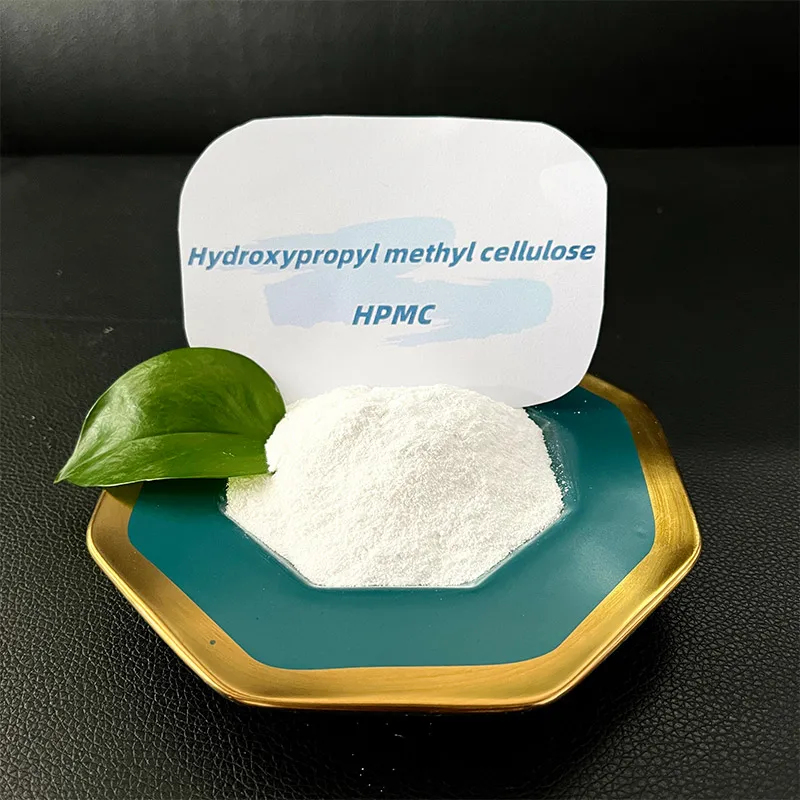
hpmc(Hydroxypropyl methylcellulose, 하이드록시프로필 메틸셀룰로오스)은 다양한 산업 분야에서 활용되는 다기능 첨가제다. hpmc의 화학식은 C56H108O30으로, 이는 셀룰로오스로부터 유래된 천연 고분자 화합물이다. 이 화합물은 특히 건축, 약품, 화장품 등의 분야에서 그 가치를 인정받고 있다. 첫째로, hpmc는 건축 산업에서 일반적으로 사용된다. 시멘트와 석고의 양생을 개선하고, 혼합물의 작업성을 높이는 데 기여한다. 건축 자재에 첨가될 경우, hpmc는 수분 증발을 방지하고, 접착 강도를 향상시켜 구조물의 내구성을 높인다. 이런 기능적 이점 덕분에 hpmc는 전 세계적으로 건축 산업에서 중요한 첨가제로 자리 잡고 있다. 의약품 산업에서도 hpmc의 중요성은 무시할 수 없다 . hpmc는 약물의 제제를 위한 캡슐 또는 정제의 형성을 지원하는데, 이는 약물의 붕괴 시간을 조절하고, 특정 환경에서 약물 방출을 조절하는 데 도움이 된다. 또한, hpmc는 비활성 물질이기 때문에 인체에 안전하며, 여러 제형에서 그 응용 가능성이 높다. 화장품에서는 hpmc가 다양한 기능을 수행한다. 점증제 및 안정제로서의 역할을 하여, 제품의 질감을 개선하고, 사용자의 피부에 부드러운 느낌을 전달한다. 크림, 로션, 젤과 같은 제품에서 사용될 때, hpmc는 제품의 첨가제를 균일하게 분산시켜 제품의 효능을 증가시킨다. 특히, hpmc는 수성 및 유성 혼합 제품에서 안정화제로서의 탁월한 성능을 발휘한다. hpmc 화학식 이처럼 hpmc는 다양한 산업에서 그 활용도가 높으며, 이는 과학적 연구와 장기간의 산업적 경험에 의해 뒷받침되고 있다. 각 산업 분야에서의 응용 사례는 hpmc의 효율성과 신뢰성을 입증하며, 이로 인해 hpmc는 각종 제품의 품질을 향상시키는 주요 요소로 자리매김하고 있다. 전문가들은 hpmc의 고분자 구조가 갖는 독특한 물리화학적 특성이 이와 같은 다기능성을 제공한다고 분석한다. 수용성과 점성을 조절할 수 있는 특성 덕분에, hpmc는 다양한 환경과 조건에서 효과적으로 작용할 수 있다. 특히 환경적으로도 안전하며, 식물을 원료로 하기 때문에 재생 가능하고 친환경적이다. 이런 특성들은 현대 산업에서 점점 더 중요해지는 지속 가능성의 요구를 충족시킨다. hpmc는 이렇게 여러 가지 금, 은, 동 등 귀금속 등의 바인더 역할도 가능하며, 이는 재료 산업에서도 큰 가치를 제공한다. 결론적으로, hpmc는 다양한 산업에서 없어서는 안 될 필수적인 구성 요소로 자리 잡고 있다. 과학적 연구와 산업적 경험을 통해 그 역할이 지속적으로 확장되고 있으며, hpmc의 화학 구조와 물리적 속성 덕분에 각 분야에서 혁신적인 솔루션을 제공하는 데 중요한 기여를 하고 있다.
-
Hydroxypropyl Methylcellulose (HPMC) has seen a surge in demand across various industries, making the buying process an area of great interest. For those seeking to purchase HPMC, having a comprehensive understanding of the product, coupled with insights from industry professionals, is essential. An important characteristic of HPMC is its versatile applicability. With its non-toxic, tasteless, and odorless attributes, it is commonly used in pharmaceuticals, construction, food, and personal care products. In pharmaceuticals, HPMC acts as a binder and time-release agent, ensuring effective delivery of active ingredients. For construction, it enhances water retention and workability in products like cement and mortar, showcasing its pivotal role in the building sector. Purchasing HPMC demands expertise from industry insiders who emphasize the importance of quality . Experts recommend sourcing from certified manufacturers who adhere to international standards such as ISO and GMP. These certifications guarantee that the HPMC is manufactured under stringent quality control, ensuring product reliability and safety for end-users. Real-world experience highlights the importance of considering particle size and viscosity levels when buying HPMC. Different applications require specific viscosity ranges; for instance, higher viscosity HPMC is ideal for tile adhesives, whereas lower viscosity types might be better for pharmaceutical applications. Experienced professionals suggest requesting product samples to conduct application-specific tests before making bulk purchases. This not only ensures compatibility but also prevents potential product wastage. Authoritative voices in the industry emphasize the significance of understanding regional regulations. Product compliance can often vary depending on geographical location, affecting the import and usage of HPMC. Therefore, it is advisable to consult with regional experts and legal advisors to navigate through these regulatory frameworks effectively. hpmc buy Trustworthiness in the HPMC supply chain is another crucial factor. Buyers are advised to perform due diligence on suppliers. This includes reviewing company histories, customer testimonials, and case studies. Opting for suppliers with a proven track record, robust customer support and transparent business practices can significantly diminish risks associated with quality and delivery schedules. For ensuring seamless transactions, economic considerations play a pivotal role. Bulk purchasing can lead to significant cost reductions. However, financial experts suggest balancing purchase volume with inventory management to avoid overstocking, which could lead to increased holding costs. Developing a strategic purchasing plan with flexible terms can optimize financial outcomes while securing a steady supply of HPMC. Finally, leveraging technology can greatly aid in the HPMC procurement process. Utilizing supply chain management software can streamline operations, providing real-time updates on inventory levels, shipment tracking, and vendor communication. Such tools enhance efficiency, ensuring that the acquisition process aligns with business objectives. In conclusion, buying HPMC involves a blend of understanding its applications, ensuring quality through certified suppliers, adhering to regulations, establishing trust with vendors, managing economic factors wisely, and incorporating technological solutions. By focusing on these aspects, businesses can make informed decisions, optimizing the benefits of HPMC across their respective industries.
advantages
-

200000 Viscosities
Excellent product
We can produce pure products up to 200,000 viscosities
-

40000 tons
High yield
We don’t stop production all year round, and the annual output can reach 40,000 tons
-

24 hours
Quality service
We provide 24-hours online reception service, welcome to consult at any time
———— Inquiry Form
Schedule A services

-
 hpmc_film
Oct . 25, 2025
The Use of Polypropylene Fibre in Concrete Enhancing Durability and Performance Concrete is one of t - hpmc_food
Oct . 25, 2025
Hydroxypropyl methylcellulose, commonly abbreviated as HPMC, stands for a multifaceted polymer with -
 hpmc_for_wall_putty
Oct . 25, 2025
In the construction industry, creating durable and long-lasting tile adhesives is a top priority. Th


